For money
You still haven't named the number.
What would Adam Smith tell you that you are paying for? What would Franklin? Assemble a council of history's sharpest minds, bring them the number you are afraid to say, and hear them disagree about whether you ask, leave, or keep subsidizing.
Two full sessions, free · Private to your account · Nobody reads a sitting


Join the first 200 people who would rather be disagreed with.
This council
 Adam Smith
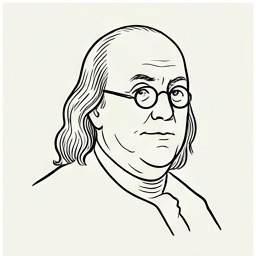 Benjamin Franklin
 Machiavelli
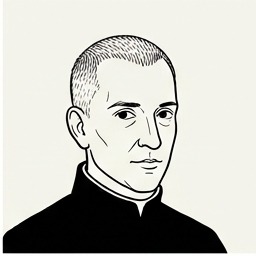 Baltasar Gracián
Nobody else is in the room.
A sitting is private to your account. Nobody reads it. Nothing is published, sold, or used to train anything. Encrypted at rest, keyed to you.
The sharpest minds of their age.
Each advisor is one of the masters of their time, built from the work they left. Not a costume, not a living influencer, and not a panel of strangers who happen to argue.
Built to disagree.
They ask first, hold a position, and refuse to flatter. That is in how they are built.
Why a council
The stress is not the money. It is sitting with it alone.
Ask or don't. Both cost. You can see the doors. You cannot tell which one is what you are worth and which one is what you are willing to keep paying. The longer you wait, the more they look the same.
01 — The trade
You don't know what the number would do.
Not because you lack a market. Because you have not named what a yes would change, or what a no would confirm. The silence is the decision.
02 — The comfort
Your colleagues hedge.
They say it will come. They say this is not the moment. HR is not counsel. A room that only likes you will not help you move.
03 — The room
You need the masters of the trade, not your team.
Smith, Franklin, Machiavelli, Gracián — the sharpest minds of their age on incentives, the sentence, leverage, and timing. Not colleagues. They will still send you out with one action.
This council
This table, for this number.
Smith, Franklin, Machiavelli, Gracián — history's sharpest minds on what you are subsidizing, and how to ask. Change them if you want. They will not agree.
Your table 4 of 5 · Ready
 The Chair
Franklin wants to act this week. Gracián wants to wait for the moment.
The room
Click a face to seat them. Click again to send them out.
Or sit a ready-made council
A sitting like this
They ask before they answer.
Most AI helps you write the email. A real council asks what you are paying to avoid sending it. This is how a sitting on a raise that never came reads.
Session · 3 advisors seated
An example of how the room reads this. Not a sitting anyone sent in.
How a session runs
Question. Positions. Verdict.
Nobody advises until the facts are on the table. Then the room argues. Then one person rules.
- The Chair
Before anyone speaks: when you last talked about money, what exactly did he say? And the 20% — from a recruiter, or from a spreadsheet you made at 11pm?
First
The Chair asks.
Two or three sentences from you. Then one or two precise questions back. Nobody advises until the facts are on the table.
- Adam Smith
You are paying him the difference. Every month. The team you like is the discount. What does staying buy that the 20% does not?
Benjamin FranklinThen ask. One number, one date, in writing. Not a meeting to discuss compensation. The sentence is the number. A fog is what you have now.
Then
Your advisors take positions.
Each reads the situation through their own lens. Two of them will disagree. You can press any of them by name. They hold their ground.
- DecisionAsk for the number this week, in writing. Once.ActionSend the email. One figure, the market one, a date. Not a meeting to discuss.ByFriday
Last
The Chair rules.
One decision, one concrete action, one deadline. The next morning the Chair writes, and the room continues.
Read this before you sit down
What the Council is not.
Not therapy.
If you're struggling, please talk to a professional. The Council is for decisions, not healing, and it will say so if your situation needs more than a decision.
Not a yes-man.
Most AI tells you what you want to hear. The Council is built to disagree with you when you're wrong, and to keep disagreeing when you push.
Not generic advice.
Every answer is about your situation, your people, your constraints. If the Council doesn't know enough, it asks. It doesn't guess.
The difference is the room, not a costume prompt. Why this is not ChatGPT →
Pricing
Cheaper than one bad decision.
Two full sessions, free, with everything the room does. Then Member for 5 sessions a month, Plus for 5× that, Patron for 20×. Pay yearly and take 20% off. Patron names go on the wall — first 200.
Free
Try the room
$0
- 2 full sessions, on the house — no expiry, no refill
- A council of three to five advisors, built from what they wrote
- The Chair asks first, then rules: one decision, one action, one date
- Advisors that disagree and hold their ground — press any of them by name
- Speak or type
- The Chair writes the morning after a verdict
- Every sitting saved, encrypted, and sealed to your account
Member
For a decision a week
$15/ month
Everything in Free, plus:
- More usage — 5 full sessions every month
- Refilled on the first of the month
- Cancel any time
Plus
For the ones who come back
$28/ month
Everything in Member, plus:
- 5× Member usage — 25 full sessions every month
- Seminars — sit with one advisor and go into their thought
- New advisors as they join
Patron
For the ones who keep it open
$78/ month
Everything in Plus, plus:
- 20× Member usage — 100 full sessions every month
- Your name on the wall — first 200
- A say in who joins the Council next
The situation
Bring the one you actually have.
Pick the fight you actually have. Same room. Different table. Then sit with the sharpest minds who already thought it through.
- For workYour coworker just presented your idea as his own.Work →
- For loveYou've been deciding whether to leave for six months.Love →
- For an exYou drafted the text. You haven't sent it.An ex →
- For friendsYou found out from someone else.Friends →
- For familyThey already decided. They're waiting for you to agree.Family →
- For a secretThey still don't know. You've been deciding whether they should.A secret →
- For a cityYou've been leaving this city in your head for two years.A city →
- For a mentorThe person who made you is the person you have to leave.A mentor →
- For a partnerFifty-fifty. Only one of you is still building.A partner →
- For a reputationIt's going to come out. You haven't decided who hears it from you.Reputation →
Questions
Before you ask the Council.
Can't I just prompt ChatGPT?
You can. You will get one voice, in costume, already inclined to agree with you. The Council seats three to five advisors built from what they actually wrote, makes them disagree, and ends with a decision you have to act on. That is a room. A prompt is not.
Is this real AI, or people?
AI advisors, each built on the actual writings and ideas of the person they're named after. They are built to ask first, disagree when they should, and never flatter. No person is sitting behind the names.
Why these advisors?
Each one brings a way of reading a situation that the others don't. Power, self-control, incentives, reputation, courage, what people really want. Every one of them is in the public domain, and none of them will ever be swapped for a living influencer.
Is my situation private?
Yes. A sitting is private to your account. Nobody reads it — not Theo, who built this, not a staff, not a partner. Nothing you write is published, sold, shared, or used to train a model. It is encrypted at rest, keyed to your account. The model sees a turn only to answer it. You can allow a thirty-day review to improve the room; that is off unless you switch it on.
Will they just agree with me?
No. The Council is built so that advisors hold their positions when you push back. They'll concede a point, never the conclusion, unless you bring a fact that changes it.
When does the full app launch?
The web version you're looking at is live now. Your first two full sessions are free, with everything the room does. After that, Member is $15 a month for five sessions a month, Plus $28 for 5× that (and seminars with one advisor), Patron $78 for 20× — first 200 names on the wall. Pay yearly and take 20% off. The mobile app comes later.