A private board of advisors
Your coworker just presented your idea as his own.
What would Machiavelli tell you to do? What would Marcus Aurelius? Assemble a council of history's sharpest minds, bring them the situation, and hear them disagree, push back, and tell you what to do next.
Free during early access · An account keeps your sessions · The Chair asks before anyone advises

Machiavelli
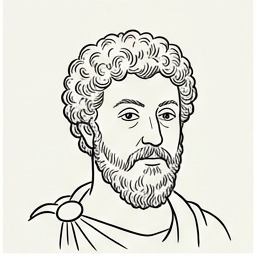
Marcus Aurelius
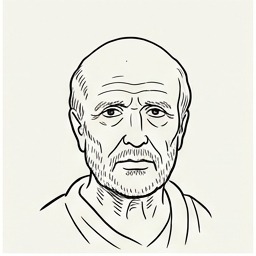
Seneca

Baltasar Gracián

Sun Tzu

Adam Smith

Montaigne

La Rochefoucauld

Nietzsche
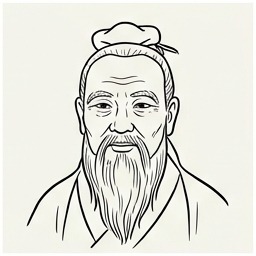
Confucius

Jane Austen
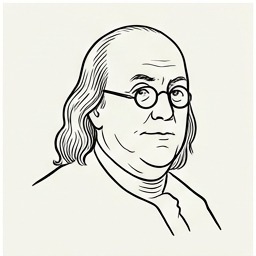
Benjamin Franklin
Sessions are private.
Nobody reads them. Nothing you write is published, sold, or used to train anything.
Built on their writings.
Each advisor is drawn from the work they left. Not a costume, and never a living influencer.
Built to disagree.
They ask first, hold a position, and refuse to flatter. That is in how they are built.
Why a council
The stress is not the decision. It is sitting with it alone.
A hard choice has a cost either way. You can see the doors. You cannot tell which one is sense and which one is fear. The longer you wait, the more they look the same.
You don't know what to do.
Not because you lack options. Because every option asks you to give something up, and nobody has named the trade clearly enough to live with it.
The people around you are on your side.
Friends want you to feel better. Colleagues hedge. Most tools agree with the last thing you typed. Comfort is not counsel. A room that only likes you will not help you move.
You need to be badly outnumbered by people who disagree.
Not a committee. Three to five voices who do not share your incentives, who will fight each other, and who will still send you out with one action. That is being well surrounded.
Assemble your council
Choose who sits at your table.
The Chair already has a seat. Three to five voices. They will not agree.
Your table 0 of 5 · Seat 3 more
 The Chair
A council of twelve is a committee. A council of four is a weapon.
The room
Click a face to seat them. Click again to send them out.
Or sit a ready-made council
A real session
They ask before they answer.
Most AI replies the second you stop typing. A real council wants the facts first. This is an unedited session, with the Negotiator council seated.
Names and figures changed. The session itself is verbatim.
How a session runs
Question. Positions. Verdict.
- First
The Chair asks.
Two or three sentences from you. Then one or two precise questions back. Nobody advises until the facts are on the table.
- Then
Your advisors take positions.
Each reads the situation through their own lens. Two of them will disagree. You can press any of them by name. They hold their ground.
- Last
The Chair rules.
One decision, one concrete action, one deadline. The next morning the Chair writes, and the room continues.
Read this before you sit down
What the Council is not.
Not therapy.
If you're struggling, please talk to a professional. The Council is for decisions, not healing, and it will say so if your situation needs more than a decision.
Not a yes-man.
Most AI tells you what you want to hear. The Council is built to disagree with you when you're wrong, and to keep disagreeing when you push.
Not generic advice.
Every answer is about your situation, your people, your constraints. If the Council doesn't know enough, it asks. It doesn't guess.
The difference is the room, not a costume prompt. Why this is not ChatGPT →
Pricing
Cheaper than one bad decision.
Early access is free. Paid plans open in a few weeks. Founding members lock the price for good.
Early access
$0
- — 3 full sessions
- — Any council you assemble
- — The Chair writes the next morning
Member
$12/ month
- — Unlimited sessions
- — Every sitting saved to your account
- — The Chair writes the morning after a verdict
- — New advisors as they join
Founding member
$79/ year
- — Everything in Member
- — Price locked forever
- — Your name on the wall
- — A say in who joins the Council next
Questions
Before you ask the Council.
Can't I just prompt ChatGPT?
You can. You will get one voice, in costume, already inclined to agree with you. The Council seats three to five advisors built from what they actually wrote, makes them disagree, and ends with a decision you have to act on. That is a room. A prompt is not.
Is this real AI, or people?
AI advisors, each built on the actual writings and ideas of the person they're named after. They are built to ask first, disagree when they should, and never flatter. No person is sitting behind the names.
Why these advisors?
Each one brings a way of reading a situation that the others don't. Power, self-control, incentives, reputation, courage, what people really want. Every one of them is in the public domain, and none of them will ever be swapped for a living influencer.
Is my situation private?
Sessions are private to you. Nobody reads them — not even the person who built this. Nothing you write is published, sold, or used to train anything. After a verdict, the Chair writes the next morning to continue the session — that is all the email is for.
Will they just agree with me?
No. The Council is built so that advisors hold their positions when you push back. They'll concede a point, never the conclusion, unless you bring a fact that changes it.
When does the full app launch?
The web version you're looking at is live now. Paid plans and the mobile app open to founding members first, in a few weeks.