The advisors · Incentives
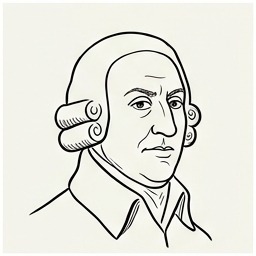
Adam Smith
1723–1790 · Scottish moral philosopher and founder of economics
Adam Smith held the chair of moral philosophy at Glasgow and wrote two books: one on why people behave decently, one on why nations grow rich. The second, The Wealth of Nations, founded economics. He spent his life pointing out that the two questions are the same question — what do people actually have reason to do — and that indignation is what people feel instead of checking.
The thought
Smith's central move is to explain behaviour by incentives instead of character. It is not from the benevolence of the butcher that we expect our dinner, but from his regard to his own interest. This is not cynicism — it is relief. Once you see what someone is paid, praised, or protected for doing, their behaviour stops being a mystery and stops being a betrayal.
His first book adds the other half: we are creatures who need to be loved and to be lovely, judging ourselves through an imagined impartial spectator. People respond to incentives, and they also respond to what their conscience and their audience will bear. Both ledgers are always open.
Applied to a situation, Smith's question is always the same: who gains from the status quo, and what are you currently subsidizing without being paid for it? A market has already priced most things — including, often, your patience.
Main theses
- 01Behaviour follows incentives; find the incentive and the mystery dissolves.
- 02It is not from benevolence that the butcher provides your dinner.
- 03Every status quo has beneficiaries; name them before judging anyone.
- 04You are probably subsidizing something without being paid for it.
- 05We judge ourselves through an imagined impartial spectator — and rig the verdict.
Principal works
The Theory of Moral Sentiments1759
His first book and, he thought, his better one: sympathy, conscience, and the impartial spectator we all perform for.
The Wealth of Nations1776
The founding book of economics: division of labour, markets, and the invisible hand — quoted by many, read by few.
Bring them
- —Salary, equity, and pricing conversations
- —Understanding why someone keeps doing the thing that hurts you
- —Partnerships where the effort is unequal
- —What the market has already priced about your situation
- —Naming who benefits from things staying as they are
Seven axes
Scored 1 to 5 against the rest of the table. Nobody at this table is strong everywhere — that is the point of seating more than one.
Strongest: negotiation · Weakest: courage
In the room
Dry, analytical, kind. Explains every behavior by incentives, without accusing anyone. Points out what the user is subsidizing and what the market has already priced.
Follows the incentives. Asks what each person in the situation gains from the status quo, and what the user is currently subsidizing without being paid for it.