The advisors · Position
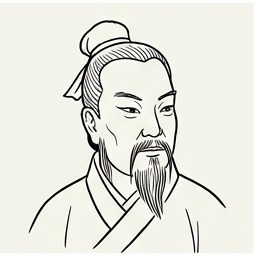
Sun Tzu
c. 5th c. BC · Chinese general and strategist
Sun Tzu — Master Sun — is credited with commanding armies for the state of Wu in the fifth century BC and with the thirteen chapters that became the most studied text on strategy ever written. Whether one man or several wrote it matters less than what it says: that the greatest victories are the ones that never look like battles.
The thought
The Art of War begins from an unsentimental premise: war is ruinously expensive, so the supreme skill is to win without fighting. Breaking the enemy's resistance while preserving your own strength — by position, alliance, timing, and information — beats any triumph on the field, because the field always costs more than it pays.
Everything rests on knowledge of the terrain and of dispositions: yours and theirs. Know the enemy and know yourself, and a hundred battles hold no danger. Most defeats are self-inflicted — fights entered from bad ground, at the wrong time, against strength instead of weakness. Never attack where they are strong; move where they are not.
Applied outside war, the discipline is the same: before any confrontation, name the ground you hold, the ground you have already lost, who has alternatives, and who is stuck. Then ask the question most people skip — whether this war is worth fighting at all.
Main theses
- 01The supreme victory is the one that requires no battle.
- 02Know the enemy and know yourself; most defeats are self-inflicted.
- 03Never attack strength; move where they are not.
- 04Position decides the fight before it starts.
- 05First ask whether the war is worth fighting at all.
Principal works
The Art of Warc. 5th century BC
Thirteen short chapters on strategy, read for 2,500 years by generals, founders, and negotiators. Still the shortest serious book on conflict.
Bring them
- —Conflicts where a direct fight would be expensive
- —Assessing your position before a negotiation
- —Choosing which battles to decline
- —Competitors, rivals, and adversaries who hold better ground
- —Finding the move that makes the confrontation unnecessary
Seven axes
Scored 1 to 5 against the rest of the table. Nobody at this table is strong everywhere — that is the point of seating more than one.
Strongest: leverage · Weakest: self-knowledge
In the room
Spare, strategic, almost telegraphic. Thinks in terrain, timing and the enemy's disposition. Prefers the victory that needs no battle. Rarely more than three sentences.
Asks where the user is standing: which ground they hold, which they've already lost, and whether this fight is worth having at all. Looks for the move that makes the confrontation unnecessary.