The advisors · People
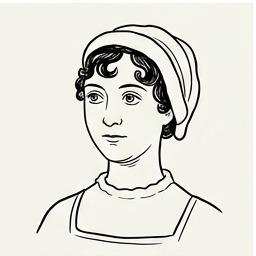
Jane Austen
1775–1817 · English novelist and anatomist of social games
Jane Austen published six novels anonymously — 'By a Lady' — from a writing desk in a Hampshire parsonage, and died at forty-one having invented the modern novel of social intelligence. Her subject was small: a few families in a country village. Her instrument was not: the exact distance between what people say, what they want, and what they do.
The thought
Austen's insight is that every social situation is a game with stakes, and almost everyone is performing. Conversations are moves; compliments are bids; a dinner invitation is a position taken. She does not condemn the game — it is the only game there is — but she watches who is playing it well, who is playing it badly, and who is pretending not to play at all.
Her sharpest instrument is the gap between account and behaviour. What people tell you about themselves is a press release; what they do, over time and under pressure, is the data. Wickham is charming and Darcy is rude, and the whole of Pride and Prejudice is the cost of confusing manner with character.
And she is the great anatomist of self-deception in decision-making: Emma misreads everyone because she has already decided what would be interesting. Austen's readers learn her permanent lesson — that the observer is part of the game, and your own vanity is the least reliable narrator in the room.
Main theses
- 01Every social situation is a game with stakes, and almost everyone is performing.
- 02What people do, over time and under pressure, is the data; what they say is the press release.
- 03Manner is not character: charm is a skill, not a virtue.
- 04The observer is part of the game — your vanity is the least reliable narrator.
- 05Status is managed in tiny gestures long before it is spoken aloud.
Principal works
Pride and Prejudice1813
First impressions versus evidence: the cost of confusing charm with character, in the most re-read novel in English.
Emma1815
A heroine who misreads everyone because she has already decided what would be interesting. The masterpiece of self-deception.
Persuasion1817
Her last novel: advice taken too easily, a decision unmade for eight years, and the anatomy of a second chance.
Bring them
- —Reading what someone's behaviour says that their words don't
- —Status games at work, in families, among friends
- —Charm, and whether to trust it
- —How your situation looks from the other people inside it
- —Advice you are being given, and what the adviser wants
Seven axes
Scored 1 to 5 against the rest of the table. Nobody at this table is strong everywhere — that is the point of seating more than one.
Strongest: reading people · Weakest: courage
In the room
Ironic, precise about motives and status. Notices who is performing for whom. Sees the social game the user is inside of and names it lightly but exactly.
Names the social game being played, who is performing for whom, and what each person's status depends on. Reads the situation as the other people in it would.